Brakes rarely fail all at once. They warn you first — with a noise, a vibration, a pedal that feels different than it did last month. The problem is that those warnings are easy to explain away until the day you actually need to stop short on Ocean Avenue and the car doesn’t cooperate.
Knowing the signs you need brake repair is the difference between a routine pad replacement and a repair bill that includes rotors, calipers, and a tow. Most of the warnings on this list cost very little to address early and a great deal to ignore.
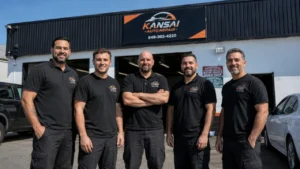
At Kansai Auto Repair in Long Branch, NJ, we inspect brakes on cars driven all over Monmouth County — beach traffic in the summer, salted roads in the winter, and a lot of stop-and-go in between. That mix is hard on braking systems, and it shows.
Keep reading!
- The eight symptoms that tell you a brake system needs attention now
- Why noise is not always the first warning — and what to feel for instead
- How long brake pads realistically last in Long Branch driving conditions
- What a complete brake inspection should cover
- What it costs when worn pads are allowed to damage rotors and calipers
Braking is the one system where waiting never gets cheaper — here is how to read the signs you need brake repair before they become an emergency.
What Brake Wear Actually Feels Like From the Driver's Seat
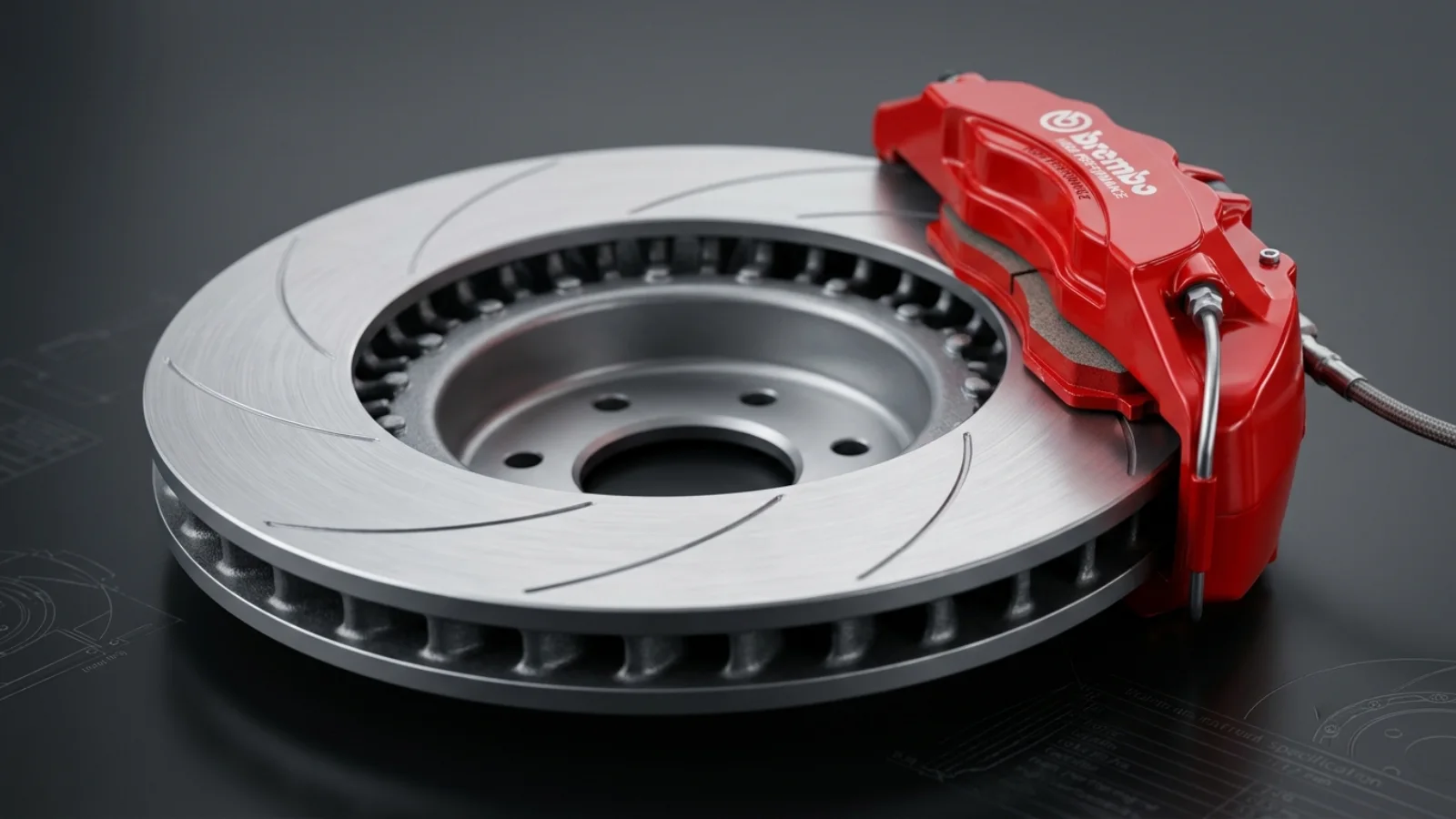
A brake system is a chain: you press the pedal, hydraulic fluid pushes a caliper, the caliper squeezes a pad against a spinning rotor, and friction turns motion into heat. Every part of that chain wears, and each one fails in its own recognizable way.
That is why brake problems show up as a change, not as a breakdown. The pedal sits a little lower. The car takes a half-second longer to settle. There is a faint noise at low speed that disappears once you are moving. Drivers adapt to those changes without noticing, which is exactly what makes them dangerous.
The habit worth building is simple: once a month, brake firmly (safely, on an empty stretch) and pay attention to how the car behaves. Any pull, shudder, noise, or sponginess is information.
8 Signs You Need Brake Repair Right Away
Some of these are urgent, some give you a few weeks. None of them get better on their own.
Squealing, Grinding, or Metallic Scraping
Most pads have a small metal wear indicator designed to squeal when the friction material gets thin. That squeal is a scheduled reminder, not an emergency. Grinding is different — it usually means the pad is gone and metal is cutting into the rotor. At that point you are no longer replacing a pad; you are replacing a rotor too.
A Longer Stopping Distance
If the car needs noticeably more room to stop than it used to, the friction material has thinned out or the system has absorbed moisture. This one is easy to miss because it happens gradually — you compensate by braking earlier without realizing you started doing it.
Vibration or Pulsation in the Pedal
A steady pulse through the pedal under braking usually points to rotor thickness variation — often, though loosely, called warping. Heat cycling and uneven pad deposits cause it. If you also feel a shimmy in the wheel at highway speed, it is worth checking whether the cause is the brakes or the bad shocks and struts symptoms that produce a very similar shimmy.
The Car Pulls to One Side When You Brake
Pulling means one side is doing more work than the other: a sticking caliper slide pin, a collapsed brake hose, or uneven pad wear. A vehicle that pulls under braking is unpredictable in an emergency stop, which is why we treat it as urgent rather than annoying. If the wheel also feels heavy or resistant while turning, rule out the causes behind a steering wheel that is hard to turn at the same time.
A Soft, Spongy, or Sinking Pedal
A pedal that travels too far or slowly sinks toward the floor while you hold it points to air or moisture in the hydraulic system, or to a failing master cylinder. Brake fluid absorbs water over time, and water boils far sooner than fluid does — which is why fluid condition matters as much as pad thickness.
Brake Warning Light on the Dash
The red brake light can mean the parking brake is engaged, the fluid level is low, or the hydraulic system has lost pressure. The amber ABS light is a separate issue — usually a wheel speed sensor — and it means anti-lock function may be offline even though the brakes still work. Neither light should be driven on indefinitely. If you are unsure what a dash light is telling you, a proper check engine light scan will read stored codes across all modules, brakes included.
Visible Wear on the Pads or Rotors
Through most alloy wheels you can see the pad pressed against the rotor. Less than about a quarter inch of friction material means replacement is close. Deep grooves, a pronounced lip at the outer edge of the rotor, or blue discoloration all point to heat damage.
Burning Smell After Braking
A sharp chemical smell after a long descent or heavy traffic means the brakes are running very hot. If it happens once on a mountain road, that is physics. If it happens on a normal drive through town, something is dragging — usually a seized caliper or a parking brake that is not fully releasing.
How Long Do Brake Pads Last in Monmouth County Driving?
The honest answer is that mileage figures are close to useless without context. Brake pads commonly last anywhere from 25,000 to 70,000 miles, and the spread is driven almost entirely by how and where the car is used.
Stop-and-Go Traffic and Coastal Salt Air
Long Branch has two conditions that shorten brake life. The first is traffic: every stop converts the car’s momentum into heat and pad wear, so a car that lives on Broadway and Route 36 wears pads faster than one that commutes on the Parkway. The second is salt — winter road treatment plus year-round coastal air. Salt attacks caliper hardware, slide pins, and brake lines, and a caliper that cannot slide freely wears one pad down to nothing while the other stays thick.
That is why we look at hardware condition, not just pad thickness, on every inspection here.
What a Proper Brake Inspection Includes
A meaningful brake inspection goes past a quick look through the wheel. It should cover:
- Pad thickness measured on both inner and outer pads, at all four corners
- Rotor thickness and runout measured against the manufacturer’s minimum spec
- Caliper function — slide pins, boots, and piston movement
- Brake hoses and hard lines checked for cracking, swelling, and corrosion
- Brake fluid condition, including moisture content, not just level
- Parking brake operation and adjustment
Most of this can be done during a routine visit — brake condition is one of the standard checks in a proper oil service, which makes it the easiest interval to attach a brake check to.
Uneven wear between the inner and outer pad of the same wheel is one of the most useful findings, because it tells you the caliper is the real problem and new pads alone would not have fixed it.
What Happens If You Wait Too Long
The cost curve on brakes is steep. A pad replacement is a straightforward job. Let the pads go to metal and the rotors get scored, so rotors join the bill. Let it go further and overheated fluid, damaged calipers, and a seized hub can follow.
There is also the part that does not show up on an invoice: stopping distance. Worn pads, glazed rotors, and moisture-saturated fluid all lengthen the distance your car needs — and they do it worst under exactly the conditions where you need the brakes most, like a hard stop in the rain.
Get Your Brakes Checked Before They Make the Decision for You
If any of these signs you need brake repair sound familiar — a noise, a pulse in the pedal, a pull to one side, a longer stop — the right move is a measured inspection, not a guess. Knowing exactly how much pad is left and what condition the fluid and calipers are in turns a worry into a plan.
Kansai Auto Repair has been serving drivers in Long Branch, NJ and across Monmouth County for over 14 years, with honest recommendations and no unnecessary parts. Call +1 848-303-4220 to schedule a brake inspection — we will tell you exactly what your brakes need and what can wait.